
Introduction to IPTV
IPTV means Internet Protocol Television. It is a modern way to watch TV using the internet instead of old systems like satellite or cable. With IPTV, TV channels, movies, and series come through an internet connection. Many people choose IPTV because it offers more flexibility, better control, and access to a large amount of content.
Unlike traditional TV, IPTV does not send all channels at the same time. It sends only what the user wants to watch. This makes the system more efficient and easier to use. IPTV works on many devices such as smart TVs, phones, computers, and TV boxes.
Understanding how IPTV works helps users make better choices and enjoy a smoother viewing experience.
What Makes IPTV Different from Traditional TV
Traditional TV uses signals sent by satellite, antenna, or cable. These signals broadcast all channels at once, even if you watch only one. IPTV works differently. It uses the internet to deliver content on demand.
With IPTV, the content travels in small data packets through the internet. When you choose a channel or a movie, the system sends only that content to your device. This method reduces waste and improves quality.
Another difference is control. IPTV allows users to pause, replay, or choose content at any time. Traditional TV follows a fixed schedule, while IPTV adapts to the user.
The Basic Technology Behind IPTV
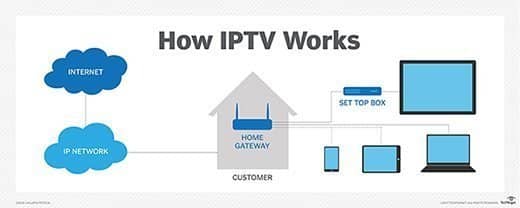
IPTV works using internet protocols, the same technology used for websites and online videos. The process starts with a content source. This source can be live TV channels or stored video files.
The content gets converted into digital data and compressed. Compression reduces file size so the content can travel faster over the internet. After that, the data moves through servers that manage and distribute the content.
When the data reaches the user, the device decodes it and shows the video on the screen. This happens very fast, often in real time.
Types of IPTV Services
IPTV services usually fall into three main types.
The first type is live television. This works like traditional TV but through the internet. Users watch channels as they broadcast in real time.
The second type is video on demand. This allows users to choose movies or series and watch them anytime. There is no fixed schedule.
The third type is time-shifted TV. This lets users watch programs that already aired. It is useful when someone misses a live show.
These three types give IPTV its flexibility and popularity.
How IPTV Delivers Content to Your Device
The delivery process starts when a user selects a channel or video. The IPTV system sends a request to the server. The server then sends the requested content as a stream of data.
This data travels through the internet using a stable connection. The speed and quality depend on the internet strength. A good connection provides smooth video without pauses.
The device receives the data, decodes it, and plays it instantly. All of this happens in seconds.
Devices That Support IPTV
IPTV works on many devices. Smart TVs support IPTV apps directly. Users can install an app and start watching.
Mobile phones and tablets also support IPTV. This allows people to watch content anywhere with internet access.
Computers and laptops can run IPTV through software players or web-based systems.
TV boxes connect to regular TVs and turn them into smart viewing devices. These boxes receive IPTV streams and display them on the screen.
Internet Requirements for IPTV
A stable internet connection is very important for IPTV. The better the connection, the better the experience.
For standard quality, a basic connection works fine. For high definition or ultra-high definition, faster internet is needed.
A wired connection often gives more stability than wireless. However, modern wireless networks also work well if the signal is strong.
Internet speed, low delay, and stable performance all help IPTV run smoothly.
Advantages of Using IPTV
IPTV offers many advantages. One of the biggest benefits is flexibility. Users choose what they want to watch and when.
Another advantage is variety. IPTV often provides access to many channels and on-demand content.
Quality is also a strong point. With good internet, IPTV can deliver clear and sharp video.
IPTV also saves space. There is no need for large equipment like satellite dishes.
Common Issues and How IPTV Handles Them
Sometimes users face buffering or freezing. This often happens because of slow internet or network congestion.
IPTV systems use buffering technology to reduce interruptions. They store a few seconds of video in advance to keep playback smooth.
Some systems adjust video quality automatically based on internet speed. This helps avoid constant pauses.
Regular updates and good server management also improve performance.
IPTV and User Control
One of the strongest points of IPTV is user control. Users can pause live TV, rewind programs, or replay scenes.
Video on demand gives full freedom to choose content without waiting for schedules.
Some IPTV systems also allow personalized lists and viewing history. This makes the experience more personal and easier.
The Future of IPTV
IPTV continues to grow as internet technology improves. Faster connections and better compression methods increase quality.
More people move away from traditional TV and prefer internet-based solutions.
IPTV adapts easily to new devices and viewing habits. This makes it a strong solution for modern entertainment.
As technology evolves, IPTV will become even more reliable and accessible.
Conclusion
IPTV works by delivering TV and video content through the internet instead of traditional broadcast systems. It uses digital data, servers, and user devices to create a flexible and modern viewing experience.
With different service types, wide device support, and strong user control, IPTV meets the needs of today’s viewers. Understanding how IPTV works helps users enjoy its benefits and use it more effectively.