Uncategorized

german iptv m3u​
Uncategorized

Understanding German iPTV M3U Technology on Streamilio.ma

The landscape of digital television has shifted dramatically with the advent of Internet Protocol Television. For users seeking specific regional content, particularly German-language programming, the integration of M3U playlists has become a standard for efficiency and customization. Streamilio.ma utilizes this technology to provide a seamless bridge between high-quality broadcast signals and the end-user’s device. By leveraging the M3U format, the platform ensures that users can access a structured and organized list of streams specifically tailored to German media requirements. This system works by delivering media content over IP networks rather than traditional terrestrial or satellite formats. The german iptv m3u​ file acts as a directional map, pointing the media player to the exact server location where the video stream originates. On Streamilio.ma, this process is optimized to ensure that every entry in the playlist corresponds to a high-bitrate stream, minimizing the common issues of dead links or outdated frequencies often found in lower-quality services. The Technical Structure of M3U Playlists An M3U file is essentially a plain text file that contains the locations of network resources. When applied to German IPTV, these files include the URLs for various television channels, radio stations, and on-demand content. The architecture on Streamilio.ma is designed to handle these playlists with precision. Each link within the playlist is supported by a robust backend infrastructure that ensures the data packets are transmitted sequentially and without interruption. The platform enhances the standard M3U experience by including extensive metadata. This means that when a user loads the German IPTV Subscription M3U list, they do not just see a list of channel names; they receive information regarding program titles, language options, and stream quality. This technical depth allows for a much richer user interface, where the software can categorize content effectively, making the navigation process intuitive for the viewer. Optimization for High Definition German Content Streaming German television requires a significant amount of bandwidth, especially when dealing with high-definition and 4K resolutions. Streamilio.ma addresses this by using advanced compression standards that maintain visual integrity while reducing the overall file size of the stream. This is particularly important for sports and live events where motion clarity is paramount. The servers hosting the german iptv m3u​ streams are engineered for high throughput. This ensures that even during peak viewing hours—such as during major football matches or evening news cycles—the stream remains stable. The use of Content Delivery Networks (CDNs) allows the data to be served from a location closest to the user, significantly reducing latency and preventing the frustrating “buffering” effect that can plague internet-based television. Compatibility Across Multiple Devices and Players One of the primary advantages of using the M3U format provided by Streamilio.ma is its universal compatibility. Because M3U is an open standard, it can be utilized across a vast array of hardware and software environments. This flexibility allows users to enjoy German content on their own terms, regardless of their preferred device. The Importance of Playlist Maintenance and Updates The digital nature of IPTV means that stream URLs can occasionally change due to server migrations or security updates. Streamilio.ma distinguishes itself by providing dynamic M3U playlists. Unlike static files that require manual updates, these dynamic lists are updated on the server side. When the user restarts their application or refreshes their list, the latest working links for German channels are automatically synchronized. This constant maintenance ensures that the “channel zap” time—the time it takes to switch from one station to another—remains as low as possible. By proactively managing the backend links, the platform removes the technical burden from the user, allowing them to focus on the content rather than the configuration. Enhancing the User Experience with EPG Integration A raw list of channels is often difficult to navigate without context. To solve this, the german iptv m3u​ service on Streamilio.ma is designed to work in tandem with Electronic Program Guides (EPG). The M3U file contains specific tags that link each channel to its corresponding schedule in the EPG database. This integration allows users to see what is currently playing and what is scheduled for the rest of the day. It also enables features like program reminders and, in some setups, the ability to record live television directly to local storage. For German viewers, having a localized EPG means they can follow their favorite series and news programs with the same ease as they would on a local cable provider. Security and Privacy in IPTV Streaming Security is a critical component of the service architecture at Streamilio.ma. When accessing german iptv m3u​ streams, the connection between the user and the server is often protected by encryption protocols. This prevents third parties from monitoring viewing habits and protects the integrity of the stream from external interference. Furthermore, the platform employs strict access control measures. Each M3U link is tied to a specific subscription, ensuring that the available bandwidth is reserved for legitimate users. This management of network resources is what allows the platform to maintain such high levels of uptime and stream quality, even when serving a large international audience. Maximizing Performance Through Proper Setup To get the most out of the German IPTV M3U service, users should consider their home network environment. While the platform optimizes the delivery of data, the local connection remains a vital link in the chain. For the best results on Streamilio.ma, a wired Ethernet connection is recommended over Wi-Fi to ensure a constant, jitter-free data flow. Additionally, ensuring that the playback software is kept up to date can lead to better performance. Modern players are better equipped to handle the latest video codecs and provide smoother de-interlacing for live broadcast signals. By combining the high-quality M3U source from the site with a well-configured local setup, users can achieve a broadcast-quality experience that rivals traditional delivery methods. Conclusion on German IPTV Excellence In summary, the German IPTV M3U service offered by Streamilio.ma represents the pinnacle of modern television distribution. By focusing on technical stability, wide-ranging compatibility, and consistent content updates, the platform provides an
what-is-iptv-how-does-it-work
Uncategorized

Understanding what is IPTV Technology, how does it work and Its Global Impact

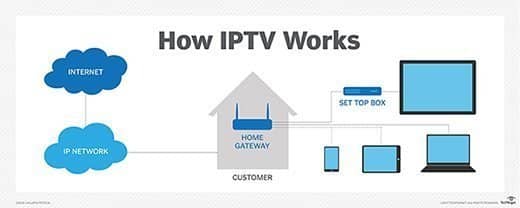
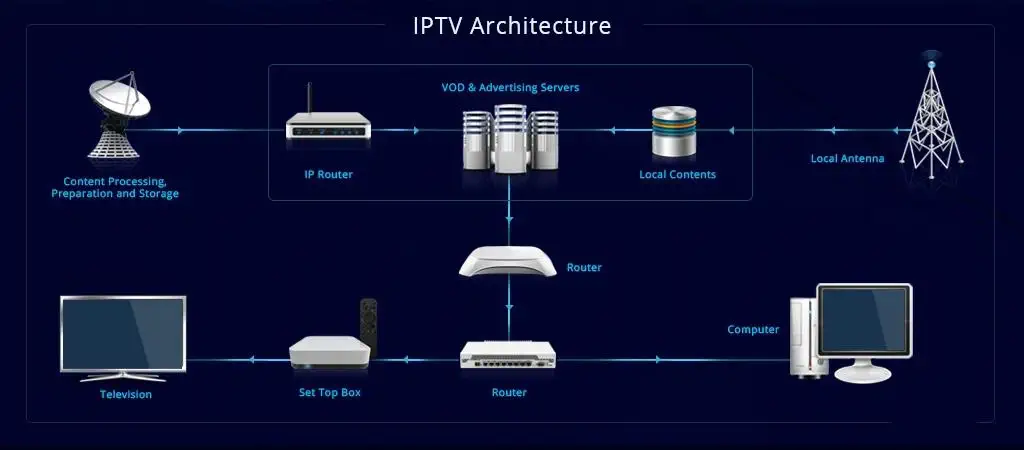
The landscape of television has undergone a radical transformation over the last decade. Traditional broadcasting methods, such as satellite and cable, are increasingly being supplemented or replaced by a more flexible and efficient technology known as Internet Protocol Television (IPTV). This technology leverages the power of the internet to deliver high-quality video content directly to users, offering a level of control and variety that was previously unattainable. What is iptv and how does it work IPTV stands for Internet Protocol Television. Unlike traditional television, which broadcasts signals via radio waves, fiber-optic cables, or satellite beams, IPTV service delivers television content through a standard internet connection. It uses the same infrastructure that allows you to browse the web or send emails to transmit video data. In an IPTV system, content is delivered in “packets” of data. This is fundamentally different from the “linear” broadcasting model where all programs are broadcasted simultaneously. With IPTV, the viewer only receives the specific stream they have requested, which optimizes bandwidth and allows for a more personalized user experience. How IPTV Works Behind the Scenes The technical framework of IPTV is complex but can be broken down into several key stages. To understand how a show travels from a server to your screen, one must look at the architecture of the network. Content Acquisition and Encoding Before a video can be streamed, it must be acquired from a source, such as a studio or a live broadcast feed. This raw video is then encoded into a digital format suitable for streaming. High-efficiency codecs are used to compress the video files without losing significant quality, ensuring they can travel smoothly over internet connections. Servers and Storage Once encoded, the content stored on central servers or Content Delivery Networks (CDNs). For Video on Demand (VOD) services, the files remain on the server until a user requests them. For live broadcasts, the stream processed in real-time and distributed across the network. Data Packetization When you select a program, the video is broken down into small IP packets. These packets are labeled with their destination and sent across the internet. When they reach your device, they are reassembled in the correct order to provide a seamless viewing experience. The Role of the Set-Top Box To decode these IP packets back into a format your television can display, an intermediary device often required. This could be a specialized set-top box, a smart TV application, or a software player on a computer or smartphone. These devices act as the final translator in the IPTV chain. The Three Main Formats of IPTV IPTV not a singular service; it manifests in several different formats depending on how the content is delivered and consumed. 1. Video on Demand (VOD) VOD is perhaps the most popular form of IPTV. It allows users to browse a library of movies or shows and watch them whenever they choose. There is no schedule to follow; the content begins as soon as the user hits “play.” 2. Time-Shifted Media This format allows users to watch previously aired broadcasts. It includes “catch-up TV,” where you can watch a show that aired hours or days ago, and “start-over TV,” which allows you to restart a live program from the beginning if you tuned in late. 3. Live IPTV This is similar to traditional television broadcasting but delivered via the internet. It used primarily for live sporting events, news, and award ceremonies, where watching in real-time is essential. Benefits of Transitioning to IPTV The move toward IPTV driven by several advantages that traditional broadcasting cannot match. The Infrastructure Requirements To enjoy a high-quality IPTV experience, the underlying infrastructure is critical. The most important factor is bandwidth. Since IPTV relies entirely on your internet connection, a stable and high-speed broadband service is necessary to avoid buffering or low-resolution playback. Most modern IPTV services recommend a minimum speed of 10 Mbps for standard definition and at least 25 Mbps for 4K streaming. As fiber-optic internet becomes more common globally, the reliability and quality of IPTV services continue to improve, making “buffering” a thing of the past for most users. The Future of Digital Broadcasting As internet speeds increase and 5G technology becomes more widespread, IPTV is set to become the standard for all television consumption. The transition from hardware-based broadcasting (dishes and cables) to software-based streaming (apps and IP) allows for rapid innovation. Future developments in IPTV are expected to include more immersive experiences, such as virtual reality integration and more advanced artificial intelligence to help users discover content. The flexibility of the protocol ensures that as the internet evolves, television will evolve alongside it. In summary, IPTV represents the marriage of traditional media and modern internet technology. By offering flexibility, high quality, and a vast array of content, it has redefined what it means to “watch TV” in the 21st century.

How to Install IPTV A Complete Guide
Uncategorized

How to Install IPTV: A Complete Guide

IPTV (Internet Protocol Television) allows you to watch live TV channels, movies, and series using an internet connection. Unlike traditional cable or satellite TV, IPTV streams content directly to your device. This guide explains how to install IPTV on different devices safely and efficiently. What You Need Before Installing IPTV Before starting, make sure you have everything needed for a smooth installation. Here is a checklist: Having all these ready will make the installation process faster. Installing IPTV on Android Devices Android devices like smartphones, tablets, or Android TV boxes can run IPTV apps easily. Follow these steps: Android devices are very flexible and support most IPTV apps, making them one of the easiest ways to watch IPTV. Installing IPTV on iOS Devices iPhones and iPads also support IPTV through apps. The installation steps are slightly different: iOS devices often have stricter app requirements, so ensure you choose a well-reviewed IPTV app. How to Install IPTV on Smart TVs Smart TVs provide a large screen for a better viewing experience. The steps vary depending on your TV system: For Android Smart TVs: For Non-Android Smart TVs: Some smart TVs may not support direct app installation. In this case, you can use a streaming device connected to the TV or a web browser to access IPTV through an online portal. How to Install IPTV on Windows or Mac Computers Computers are another common way to use IPTV. You can use media players that support IPTV playlists. Here’s how: Using a computer allows flexibility with screen size and multiple devices, making it ideal for home use. Tips for a Smooth IPTV Experience To enjoy IPTV without interruptions, consider the following tips: Following these tips ensures a smooth and enjoyable IPTV experience. Troubleshooting Common Issues Even after proper installation, some problems can occur. Here are solutions to common issues: These solutions cover most issues users face with IPTV. Conclusion Installing IPTV is simple when you follow the right steps. By preparing your device, choosing a reliable IPTV app, and loading the correct playlist, you can enjoy your favorite channels anytime. Whether you use Android, iOS, smart TVs, or computers, IPTV provides flexibility and convenience without the limitations of traditional television. Always maintain a stable internet connection and keep your playlists updated to ensure the best experience.

How IPTV Works
Uncategorized

How IPTV Works: A Complete and Simple Guide

Introduction to IPTV IPTV means Internet Protocol Television. It is a modern way to watch TV using the internet instead of old systems like satellite or cable. With IPTV, TV channels, movies, and series come through an internet connection. Many people choose IPTV because it offers more flexibility, better control, and access to a large amount of content. Unlike traditional TV, IPTV does not send all channels at the same time. It sends only what the user wants to watch. This makes the system more efficient and easier to use. IPTV works on many devices such as smart TVs, phones, computers, and TV boxes. Understanding how IPTV works helps users make better choices and enjoy a smoother viewing experience. What Makes IPTV Different from Traditional TV Traditional TV uses signals sent by satellite, antenna, or cable. These signals broadcast all channels at once, even if you watch only one. IPTV works differently. It uses the internet to deliver content on demand. With IPTV, the content travels in small data packets through the internet. When you choose a channel or a movie, the system sends only that content to your device. This method reduces waste and improves quality. Another difference is control. IPTV allows users to pause, replay, or choose content at any time. Traditional TV follows a fixed schedule, while IPTV adapts to the user. The Basic Technology Behind IPTV IPTV works using internet protocols, the same technology used for websites and online videos. The process starts with a content source. This source can be live TV channels or stored video files. The content gets converted into digital data and compressed. Compression reduces file size so the content can travel faster over the internet. After that, the data moves through servers that manage and distribute the content. When the data reaches the user, the device decodes it and shows the video on the screen. This happens very fast, often in real time. Types of IPTV Services IPTV services usually fall into three main types. The first type is live television. This works like traditional TV but through the internet. Users watch channels as they broadcast in real time. The second type is video on demand. This allows users to choose movies or series and watch them anytime. There is no fixed schedule. The third type is time-shifted TV. This lets users watch programs that already aired. It is useful when someone misses a live show. These three types give IPTV its flexibility and popularity. How IPTV Delivers Content to Your Device The delivery process starts when a user selects a channel or video. The IPTV system sends a request to the server. The server then sends the requested content as a stream of data. This data travels through the internet using a stable connection. The speed and quality depend on the internet strength. A good connection provides smooth video without pauses. The device receives the data, decodes it, and plays it instantly. All of this happens in seconds. Devices That Support IPTV IPTV works on many devices. Smart TVs support IPTV apps directly. Users can install an app and start watching. Mobile phones and tablets also support IPTV. This allows people to watch content anywhere with internet access. Computers and laptops can run IPTV through software players or web-based systems. TV boxes connect to regular TVs and turn them into smart viewing devices. These boxes receive IPTV streams and display them on the screen. Internet Requirements for IPTV A stable internet connection is very important for IPTV. The better the connection, the better the experience. For standard quality, a basic connection works fine. For high definition or ultra-high definition, faster internet is needed. A wired connection often gives more stability than wireless. However, modern wireless networks also work well if the signal is strong. Internet speed, low delay, and stable performance all help IPTV run smoothly. Advantages of Using IPTV IPTV offers many advantages. One of the biggest benefits is flexibility. Users choose what they want to watch and when. Another advantage is variety. IPTV often provides access to many channels and on-demand content. Quality is also a strong point. With good internet, IPTV can deliver clear and sharp video. IPTV also saves space. There is no need for large equipment like satellite dishes. Common Issues and How IPTV Handles Them Sometimes users face buffering or freezing. This often happens because of slow internet or network congestion. IPTV systems use buffering technology to reduce interruptions. They store a few seconds of video in advance to keep playback smooth. Some systems adjust video quality automatically based on internet speed. This helps avoid constant pauses. Regular updates and good server management also improve performance. IPTV and User Control One of the strongest points of IPTV is user control. Users can pause live TV, rewind programs, or replay scenes. Video on demand gives full freedom to choose content without waiting for schedules. Some IPTV systems also allow personalized lists and viewing history. This makes the experience more personal and easier. The Future of IPTV IPTV continues to grow as internet technology improves. Faster connections and better compression methods increase quality. More people move away from traditional TV and prefer internet-based solutions. IPTV adapts easily to new devices and viewing habits. This makes it a strong solution for modern entertainment. As technology evolves, IPTV will become even more reliable and accessible. Conclusion IPTV works by delivering TV and video content through the internet instead of traditional broadcast systems. It uses digital data, servers, and user devices to create a flexible and modern viewing experience. With different service types, wide device support, and strong user control, IPTV meets the needs of today’s viewers. Understanding how IPTV works helps users enjoy its benefits and use it more effectively.

Uncategorized

IPTV Settings Guide: How to Configure IPTV for the Best Streaming Experience

Internet Protocol Television, commonly known as IPTV, has changed the way people watch television. Instead of using traditional satellite or cable systems, IPTV delivers TV channels and video content through an internet connection. To enjoy smooth playback, high image quality, and stable performance, correct IPTV settings are essential. This guide explains IPTV settings in a simple and clear way so anyone can optimize their viewing experience. What IPTV Settings Mean and Why They Matter IPTV settings control how video streams load, play, and display on your device. These settings affect image quality, buffering time, audio sync, and overall stability. Many users experience freezing or low quality simply because their IP settings are not optimized. Correct settings help your device adapt to your internet speed and hardware limits. Even with a fast connection, poor configuration can lead to problems. That is why understanding IP settings is just as important as having good internet access. Basic Requirements Before Adjusting IPTV Settings Before configuring IPTV Subscription, make sure a few basic conditions are met. First, use a stable internet connection. IP works best with consistent speed rather than just high speed. A wired connection often provides better stability than wireless. Second, ensure your device has enough storage and memory. Devices with low resources may struggle with high-quality streams. Finally, keep your system software updated, as updates often improve compatibility and performance. IPTV Playlist Configuration Settings One of the most important IPTV settings is the playlist configuration. The playlist contains all channels and content information. When adding a playlist, make sure the format is correct and fully supported by your IP application. Reload the playlist after adding it to ensure all channels appear correctly. If channels do not load, increasing the refresh interval can help. Avoid refreshing too frequently, as this may overload the application and slow down performance. Video Quality and Resolution Settings Video quality settings control how clear the image appears on your screen. Many IP applications allow you to select automatic or manual resolution. Automatic mode adjusts quality based on your internet speed, which is useful for avoiding buffering. Manual resolution selection is better if you know your connection can handle high-quality streams. However, setting the resolution too high may cause freezing if your internet speed drops. A balanced setting provides stable playback with good image clarity. Buffer Size and Playback Stability Buffer settings play a major role in IPTV code performance. Buffering stores a small portion of video before playback begins. Increasing the buffer size can reduce interruptions, especially on unstable connections. A buffer that is too small may cause frequent pauses. A buffer that is too large may increase loading time when changing channels. Adjusting this setting helps find the best balance between fast channel switching and smooth playback. Audio Settings and Synchronization Audio issues are common in IPTV Subscription if settings are not properly configured. Audio delay settings help synchronize sound with video. If voices do not match lip movement, adjusting the audio delay can fix the problem. Choosing the correct audio format is also important. Some devices handle certain formats better than others. Selecting a compatible format improves clarity and reduces distortion during playback. Network Settings for IPTV Performance Network settings directly affect IPTV stability. Using the correct streaming protocol helps reduce buffering and connection drops. Some protocols are better suited for stable networks, while others perform better on fluctuating connections. It is also recommended to close background applications that consume bandwidth. IP performs best when it has enough network resources available. Limiting other downloads during streaming improves quality and reduces interruptions. Device-Specific IPTV Optimization Each device type requires slightly different IPTV settings. Smart TVs often benefit from automatic resolution and moderate buffering. Mobile devices may require lower resolution to save data and battery life. Set-top boxes usually allow advanced customization. Adjusting decoding settings on these devices can improve performance significantly. Choosing hardware decoding when available reduces system load and improves playback smoothness. Parental Control and Content Management Settings IPTV settings often include content control options. These settings help manage access to certain channels and categories. Using a secure PIN protects restricted content and provides a safer viewing environment. Organizing channel lists also improves usability. Removing unused categories and sorting favorites makes navigation faster and more comfortable for daily use. Troubleshooting Common IPTV Setting Issues If IPTV does not work correctly, settings are often the cause. If channels do not load, reloading the playlist usually solves the issue. If buffering occurs, lowering resolution or increasing buffer size can help. Audio problems often require adjusting delay or changing output format. Connection drops may indicate network instability, which can be improved by switching to a wired connection or adjusting protocol settings. Best Practices for Long-Term IPTV Stability To maintain good IPTV performance, review settings regularly. Internet conditions change, and what works today may need adjustment later. Keeping your device clean from unnecessary applications also helps. Restarting your device occasionally clears memory and refreshes connections. This simple step often improves IPTV performance without changing any settings. Final Thoughts on IPTV Settings Proper IPTV settings make a significant difference in streaming quality. By adjusting video, audio, buffer, and network options, users can enjoy smooth playback and clear image quality. Understanding these settings helps avoid common issues and improves overall satisfaction. With the right configuration, IPTV Subscription becomes a reliable and enjoyable way to watch television. Taking a few minutes to optimize settings ensures a better experience every time you stream content.

Uncategorized

Best IPTV Service: The Smart Way to Enjoy Modern Television

Introduction to IPTV Services Television habits have changed a lot in recent years. People no longer want to follow fixed schedules or depend only on classic cable or satellite TV. Today, users look for flexibility, choice, and better control over what they watch. This is where IPTV services become very popular. IPTV Subscription means Internet Protocol Television. It allows users to watch TV channels, movies, and series through an internet connection instead of traditional methods. A best IPTV service gives access to a wide range of content with high quality, fast loading, and smooth streaming. It works on many devices and fits modern lifestyles. For users who want freedom and comfort, IPTV is now one of the best solutions available. What Makes an IPTV Service the Best Not all IPTV services offer the same experience. The best IPTV service stands out because it focuses on quality, stability, and user satisfaction. First, the streaming quality must be excellent. High-definition and full HD content are essential today. Some services also support higher resolutions, which makes the viewing experience more enjoyable. Another important factor is stability. A good IPTV service avoids freezing, buffering, and sudden interruptions. Viewers want smooth playback, especially during live events or popular programs. A strong and well-managed system ensures this stability. Content variety also plays a big role. The best IPTV service offers many TV channels, movies, series, and on-demand content. Users like to have different categories in one place, without needing multiple subscriptions. Easy Access on Multiple Devices One of the biggest advantages of a best IPTV service is device compatibility. Users do not want limits. They want to watch content on their smart TV, smartphone, tablet, computer, or TV box. A good IPTV service supports all these devices and works smoothly on each one. This flexibility allows users to start watching at home and continue later on another device. It fits perfectly with modern daily life, where people move a lot and want entertainment everywhere. Simple Installation and User-Friendly Interface Many people think IPTV is complex, but the best IPTV service proves the opposite. Installation is simple and fast. Most of the time, users only need to enter their details and start watching. No complicated steps and no technical skills required. The interface also matters a lot. A clean and simple layout helps users find channels and content quickly. Categories are well organized, and navigation is smooth. This makes IPTV suitable for all users, even those who are not very familiar with technology. Large Content Library for All Tastes A best IPTV service offers something for everyone. Sports fans enjoy live matches and events. Movie lovers find a large collection of films. Series fans can follow their favorite shows easily. There is also content for kids, documentaries, and entertainment programs. Having all this content in one place saves time and effort. Users do not need to switch between platforms. Everything is available in a single service, which makes IPTV very practical. Reliable Performance and Fast Streaming Performance is a key element of any IPTV service. The best IPTV service uses strong servers and optimized systems to ensure fast loading and smooth playback. Channels open quickly, and on-demand content starts without long waiting times. This reliability builds trust. Users feel confident when they know their service will work well at any time of the day. Consistent performance is one of the main reasons why people choose IPTV instead of traditional TV solutions. Cost-Effective Entertainment Solution Another reason why IPTV is growing fast is the value it offers. The best IPTV service provides a lot of content at a reasonable cost. Users get access to many channels and programs without paying for expensive installations or long-term contracts. This makes IPTV an attractive option for individuals and families who want quality entertainment while controlling their budget. The balance between price and features is one of the strongest points of IPTV services. Regular Updates and Improved Experience The best IPTV service does not stay static. It improves constantly. New content is added, performance is optimized, and the user experience becomes better over time. Regular updates show that the service cares about its users and wants to offer the best possible experience. These improvements help keep the service modern and competitive. Users benefit from better quality, new features, and more content without extra effort. Customer Support and User Satisfaction Good customer support is another sign of a best IPTV service. When users have questions or face small issues, they want quick and clear help. A reliable support team improves confidence and satisfaction. Clear communication and fast solutions make a big difference. Users feel supported and more comfortable using the service daily. Why IPTV Is the Future of Television IPTV represents the future of television because it matches modern needs. People want freedom, variety, and quality. They want to watch what they want, when they want, and on any device. The best IPTV service delivers all these benefits in one simple solution. As internet speeds continue to improve, IPTV will become even more powerful. More users will switch to this modern way of watching TV, leaving old systems behind. Conclusion Choosing the best IPTV service is a smart decision for anyone who values comfort, variety, and quality. With high streaming performance, wide content selection, easy access on multiple devices, and a user-friendly experience, IPTV has become one of the best entertainment solutions today. For users who want modern television without limits, IPTV is not just an option. It is the new standard.

Uncategorized

Best IPTV Provider: The Complete Guide for a Premium Streaming Experience

Introduction to IPTV and Modern Entertainment Television has changed a lot in recent years. People no longer want to depend only on classic cable or satellite TV. Today, users look for flexible, modern, and high-quality solutions. This is where IPTV becomes very popular. IPTV, which means Internet Protocol Television, allows users to watch TV channels, movies, and series using an internet connection. Choosing the best IPTV Subscription provider is very important. A good provider offers stable service, clear image quality, and a large choice of content. A bad provider can cause buffering, poor quality, and frustration. This guide explains everything you need to know to understand what makes an IPTV provider the best choice for users. What Makes an IPTV Provider the Best Choice High Streaming Quality and Stability One of the main points of a good IPTV provider is streaming quality. Users expect smooth playback without freezing or interruptions. The best IPTV provider uses strong servers and modern technology to ensure stable streaming, even during peak hours. High-definition content is also essential. Many users now prefer Full HD and even 4K resolution. A reliable IPTV service delivers clear images, good colors, and clean sound for a better viewing experience. Large Channel Selection for All Preferences Entertainment, Sports, and International Content A major advantage of IPTV is the wide range of channels. The best IPTV provider offers a large catalog that includes entertainment channels, sports, movies, documentaries, news, and kids content. International channels are also very important. Many users want access to content from different countries. A strong IPTV service includes a wide selection of global channels, allowing users to enjoy content in different languages and cultures. Video on Demand for Maximum Flexibility Movies and Series Available Anytime Video on Demand is another key feature of a top IPTV provider. Instead of waiting for a program schedule, users can watch movies and series whenever they want. This gives full control over entertainment time. A good IPTV service updates its library regularly. New movies, popular series, and classic content should always be available. This keeps the experience fresh and interesting for all users. Easy Setup and User-Friendly Experience Simple Installation on Multiple Devices The best IPTV provider focuses on simplicity. Users should be able to install and use the service without technical problems. Clear instructions and easy configuration are very important. Compatibility with multiple devices is also a big advantage. A good IPTV service works on smart TVs, smartphones, tablets, computers, and TV boxes. This allows users to enjoy content at home or on the go. Fast and Helpful Customer Support Support That Solves Problems Quickly Even the best services may face technical issues from time to time. This is why customer support plays a major role. A high-quality IPTV provider offers fast and helpful support that answers questions and solves problems quickly. Good support builds trust. Users feel more confident when they know help is available if they need it. This is a strong sign of a professional IPTV service. Security and Reliability Safe Streaming and Service Continuity Security is often overlooked, but it is very important. The best IPTV provider protects user data and ensures safe access to the service. Stable servers and regular maintenance help avoid service interruptions. Reliability also means long-term service. A trusted IPTV provider focuses on quality and user satisfaction, not short-term results. This ensures consistent performance over time. Why IPTV Is Better Than Traditional TV More Freedom and Better Value Compared to traditional TV, IPTV offers more freedom. Users can choose what to watch and when to watch it. There is no need for heavy equipment or long contracts. IPTV also provides better value. With one subscription, users get access to many channels and on-demand content. This makes IPTV a smart choice for modern entertainment needs. How to Choose the Best IPTV Provider Key Points to Check Before Subscribing Before choosing an IPTV provider, users should check a few important points. Streaming quality, channel variety, on-demand content, device compatibility, and customer support are essential factors. A trial period is also helpful. It allows users to test the service before making a long-term decision. This ensures the IPTV provider meets expectations. Conclusion: The Smart Way to Enjoy Digital TV The best IPTV provider offers more than just TV channels. It delivers a complete entertainment experience with high quality, flexibility, and reliability. IPTV is the future of television, and choosing the right provider makes a big difference. With the right IPTV service, users can enjoy their favorite content anytime, anywhere, with excellent quality and comfort. This modern solution meets the needs of today’s viewers and offers a better way to enjoy digital entertainment.

Uncategorized

IPTV BeIN Sport M3U : Everything You Need to Know

IPTV BeIN Sport M3U is a term that many sports fans search for online. It usually relates to watching live sports channels through IPTV technology using an M3U format. This topic attracts attention because it combines live sports, modern streaming, and flexible viewing options. In this article, we explain what IPTV BeIN Sport M3U means, how IPTV works in general, why people are interested in this format, and what users should understand before choosing this type of solution. This content is for information purposes only and helps readers understand the concept clearly and simply. What IPTV Means in Simple Words IPTV BeIN Sport M3U stands for Internet Protocol Television. Instead of receiving TV channels through satellite or cable, IPTV delivers content through an internet connection. This allows users to watch live channels, sports events, and TV programs using smart TVs, mobile phones, computers, or TV boxes. IPTV works by sending video data over the internet in real time. As long as the internet connection is stable, the viewer can watch content smoothly without needing traditional TV equipment. This technology has become popular because it offers flexibility, portability, and a wide range of channels in one place. Understanding the M3U Format M3U is a playlist file format. It contains a list of media streams that a compatible player can read and play. In IPTV, an M3U file usually includes channel names and stream addresses organized in a structured list. When people talk about IPTV BeIN Sport M3U, they usually mean an IPTV playlist that includes sports channels in M3U format. This format is popular because it is lightweight, easy to update, and works with many IPTV players. The M3U format itself does not host video content. It only acts as a guide that tells the player where to find the stream. Why Sports Fans Search for IPTV BeIN Sport M3U Live sports attract millions of viewers worldwide. Football, international tournaments, and major leagues create strong demand for reliable live streaming options. Many users search for IPTV BeIN Sport M3U because they want access to sports content in one place and on different devices. Some of the main reasons include: This growing demand explains why IPTV-related keywords are searched frequently online. IPTV and Streaming Quality Expectations Streaming quality is a major factor for sports viewers. Live sports require stable video, clear image quality, and minimal delay. IPTV services often offer different quality levels depending on the internet speed and server stability. Users usually expect: A good IPTV experience depends heavily on internet quality. A slow or unstable connection can affect the viewing experience, especially during live sports events. Devices Commonly Used for IPTV Viewing One advantage of IPTV is device flexibility. Users can access IPTV content on many devices, as long as the device supports IPTV applications or media players. Common devices include: This flexibility makes IPTV attractive to users who want to watch sports at home or on the move. Legal Awareness and Responsible Use It is important for users to understand that IPTV technology itself is legal. It is simply a method of delivering television content through the internet. However, the legality depends on how the content is distributed and accessed. Users should always be aware of local laws and content rights in their country. Choosing legal and authorized solutions helps ensure a safe and stable viewing experience and avoids potential issues. Being informed is essential before using any IPTV-related service or playlist. Advantages of IPTV for Sports Content IPTV has several advantages compared to traditional TV methods, especially for sports fans. Key advantages include: These advantages explain why IPTV continues to grow in popularity, especially among younger and tech-savvy users. Things to Consider Before Using IPTV Playlists Before choosing any IPTV BeIN Sport M3U playlist, users should think about several important points. Not all IPTV experiences are the same, and quality can vary greatly. Important factors include: Understanding these factors helps users make better decisions and avoid poor experiences. The Growing Popularity of IPTV BeIN Sport M3U Searches Search terms related to IPTV and sports continue to increase every year. This trend shows that people are looking for modern ways to watch live events without being tied to traditional TV systems. Websites that publish clear, educational content about IPTV help users understand the technology better and make informed choices. Providing transparent information builds trust and long-term audience interest. Final Thoughts on IPTV BeIN Sport M3U IPTV BeIN Sport M3U is a popular search term because it connects live sports with modern streaming technology. IPTV offers flexibility, convenience, and device freedom, which appeals to many users today. Understanding what IPTV is, how M3U playlists work, and what to consider before using them is essential. With the right knowledge, users can better evaluate their options and enjoy sports content responsibly. Educational content plays an important role in helping users navigate the evolving world of online streaming.

Uncategorized

Alkaicer IPTV : A Complete Guide to Modern TV Streaming

Internet television has changed the way people watch content. Instead of using classic satellite dishes or cable boxes, many users now prefer online streaming. One of the names often searched online is Alkaicer IPTV. This article explains what Alkaicer IPTV is, how IPTV works in general, why people are interested in it, and what users should know before choosing an IPTV solution. This guide focuses on information and understanding, helping readers make informed decisions about modern TV streaming. What Is Alkaicer IPTV Alkaicer IPTV is a service concept linked to IPTV technology. IPTV stands for Internet Protocol Television. This means television content is delivered through the internet instead of traditional broadcast methods. With IPTV, users can watch live TV channels, movies, and series using an internet connection. Alkaicer IPTV is usually searched by people looking for an alternative way to access TV content on smart devices. The main idea behind this type of service is flexibility. Users are no longer limited to one screen or one place. Content can be accessed from different devices as long as the internet connection is stable. How IPTV Technology Works IPTV works by sending video content in small data packets over the internet. These packets are then decoded by an app or device and shown on the screen in real time. Unlike classic TV, where all channels are sent at the same time, IPTV sends only the content that the user selects. This method reduces wasted data and allows smoother control over what is watched. Most IPTV services rely on apps or players that support streaming formats. Once connected, users can browse categories, select channels, and start watching instantly. Why IPTV Is Becoming More Popular IPTV services have gained popularity for several reasons. The first reason is convenience. Users can watch content at home or while traveling, without needing special hardware. Another reason is content variety. IPTV platforms often organize channels and programs in a clear and simple way. This makes it easier to find what you want to watch. Cost flexibility also plays a role. Many people look for solutions that fit their viewing habits instead of paying for large traditional packages they do not fully use. Devices Commonly Used With IPTV Alkaicer One of the strengths of IPTV is device compatibility. Alkaicer IPTV searches often come from users who want to watch content on different screens. Common devices include smart TVs, smartphones, tablets, computers, and TV boxes. As long as the device supports internet streaming, IPTV can usually work. This flexibility allows families or individuals to choose how and where they want to watch, without being tied to one television. Streaming Quality and Internet Requirements Streaming quality depends mainly on internet speed and stability. A slow connection can cause buffering, delays, or lower image quality. For standard viewing, a stable connection is usually enough. For high-definition or very smooth playback, a stronger and more reliable internet connection is recommended. Users should also consider using wired connections or strong Wi-Fi signals to improve the experience, especially during peak hours. User Experience and Interface Simplicity Many people choose IPTV because of its simple interface. Menus are often organized by categories such as live TV, movies, and series. A clean layout helps users navigate easily, even if they are not very familiar with technology. Search options, favorites lists, and program guides also improve daily use. Alkaicer IPTV-related searches often come from users looking for a smooth and easy viewing experience without complex setup steps. Things to Consider Before Choosing an IPTV Service Before using any IPTV solution, users should take time to understand what they are getting. Reliability, streaming stability, and support are important factors. It is also important to read service details carefully and understand how access works. This helps avoid confusion and ensures a better overall experience. Choosing a solution that matches your viewing habits and technical comfort level will lead to higher satisfaction. IPTV and the Future of Television IPTV represents a major shift in how people consume television content. As internet infrastructure improves, more users move away from classic TV systems. The future of television is clearly linked to online streaming. IPTV allows content to adapt to user needs instead of forcing users to follow fixed schedules. Alkaicer IPTV is part of this broader trend, reflecting the growing interest in flexible and modern ways to watch TV. Final Thoughts on Alkaicer IPTV Alkaicer IPTV is a topic that attracts attention because it represents a new way of watching television. IPTV technology offers flexibility, device freedom, and control over content. Understanding how IPTV works helps users make smarter choices and avoid unrealistic expectations. A good experience depends on internet quality, device compatibility, and clear service information. As streaming continues to grow, IPTV will remain an important part of digital entertainment. Learning about it today helps users stay ready for the future of television.

Best IPTV Canada subcription 12 months: Your Ultimate Guide to Streaming
Uncategorized

Best IPTV Canada: Your Ultimate Guide to Streaming

Internet Protocol Television (IPTV) has changed the way Canadians watch television. Unlike traditional cable or satellite, IPTV delivers TV content through the internet, offering flexibility, more channels, and a modern viewing experience. In this guide, we explore everything you need to know about the best IPTV services in Canada, helping you make the right choice for your home entertainment. What Is IPTV? IPTV stands for Internet Protocol Television. It uses the internet to deliver live TV channels, movies, and on-demand content directly to your device. Unlike conventional broadcasting, IPTV doesn’t rely on satellite or cable signals. Instead, it streams content through high-speed internet, giving viewers access to thousands of channels and programs from Canada and around the world. Why IPTV Is Popular in Canada Several reasons explain why IPTV has grown rapidly in Canada: These benefits make IPTV a preferred choice for Canadian households looking for convenience and variety. Key Features of Top IPTV Services in Canada When choosing the best IPTV service, several features matter: 1. Channel Selection The top IPTV services in Canada provide a wide range of channels, including news, sports, entertainment, documentaries, and kids’ content. Look for services that offer both Canadian and international channels to enjoy diverse programming. 2. Video Quality High-quality streaming is crucial for a good viewing experience. The best IPTV services deliver HD or 4K resolution with minimal buffering. Fast internet is necessary to take full advantage of this feature. 3. Device Compatibility An excellent IPTV service supports multiple devices. You should be able to watch on your smart TV, computer, smartphone, or tablet. Some services even allow multiple simultaneous streams for family members. 4. User Interface A clean, easy-to-use interface makes navigation simple. Look for IPTV platforms that organize channels and on-demand content efficiently and allow easy access to favorites and search features. 5. Customer Support Reliable customer service is essential. Top IPTV providers in Canada offer responsive support to help with technical issues, setup, and troubleshooting. How to Choose the Best IPTV Service in Canada Selecting the right IPTV service depends on your preferences and needs. Consider these factors: Advantages of Using IPTV in Canada IPTV brings several advantages over traditional TV: These advantages make IPTV an attractive choice for Canadian viewers seeking more control over their entertainment. Popular Content Types on IPTV Canadians enjoy a variety of content through IPTV: Safety and Legal Considerations It is essential to use IPTV services that comply with Canadian laws and regulations. Always select reputable providers to ensure safe and reliable streaming. Avoid services that promote illegal content, as this may lead to legal issues. Tips for Better IPTV Streaming To enhance your IPTV experience: Conclusion IPTV Canada is transforming TV viewing in Canada, offering flexibility, affordability, and a wide variety of content. By choosing a reliable IPTV service, Canadians can enjoy live TV, movies, sports, and on-demand programs with high-quality streaming. With the right selection, setup, and internet connection, IPTV can provide the ultimate entertainment experience for the entire household. For those who want smooth, modern, and versatile TV access, IPTV is the way forward.

Scroll to Top